
Introduction
In neoprene wetsuit and protective gear OEM production, flatlock vs overlock neoprene stitching difference is one of the most frequently asked technical questions by global buyers. These two mainstream stitching methods directly affect product comfort, durability, appearance grade and retail price.
Many entry-level neoprene products adopt overlock stitching for cost efficiency, while mid-to-high-end wetsuits and fitness protective gear choose flatlock stitching for better fit and durability. Choosing the wrong stitch type will lead to seam friction, poor stretchability and reduced customer repurchase rate. As a professional neoprene OEM factory, Yonghe Sport masters full stitching processes and provides customized stitching solutions for different product positioning. All stitching processes are strictly inspected and can be customized through ourneoprene OEM and ODM service.
What Is Overlock Neoprene Stitching?
Overlock stitching, also known as serging stitching, is a traditional and highly efficient sewing process for neoprene materials. The sewing machine wraps and locks the fabric edge with thread to prevent fraying and fix the splicing position firmly.
This stitching method features fast production speed, low processing cost and strong structural firmness. It is widely used in mass production of cost-effective neoprene products. However, the overlock seam will form raised thread edges on the fabric surface, which may cause slight skin friction during long-time wearing.
What Is Flatlock Neoprene Stitching?
Flatlock stitching is an upgraded flat-seam sewing technology designed for high-end neoprene wearable products. The process interlocks two pieces of neoprene fabric together with a special cross-stitch structure, forming an almost flat seam without raised edges.
Flatlock stitching greatly improves wearing comfort and seam stretchability. The flat structure does not squeeze or rub the skin during body movement. Meanwhile, it maintains excellent tensile strength, making it the standard stitching process for professional wetsuits and high-quality protective gear.
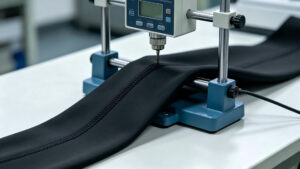
Core Difference: Flatlock vs Overlock Neoprene Stitching
1. Seam Flatness & Wearing Comfort Flatlock stitching creates ultra-flat seams with no protruding thread lines. It fits closely with human skin without friction, greatly improving the comfort of long-term sports wearing. Overlock stitching has obvious raised wrapped edges. Although it is firm, the uneven seams may cause squeezing and rubbing on the skin during frequent limb movements.
2. Stretchability & Flexibility Flatlock cross-stitch structure synchronously stretches with the neoprene foam, maintaining consistent elasticity with the whole fabric. It will not restrict body bending and stretching, which is very suitable for water sports and fitness scenarios. Overlock locking structure has poor ductility. Excessive stretching may cause thread tightening and affect sports flexibility.
3. Durability & Tensile Resistance Flatlock stitching has uniform force distribution and strong anti-tearing ability. It is not easy to crack or loose thread after long-term repeated stretching and washing. Overlock stitching is firm for static use but prone to local thread deformation after long-term high-frequency stretching.
4. Waterproof & Seam Tightness Flatlock seams are tightly interlocked with smaller gaps, cooperating with glue coating technology to achieve better waterproof performance. Overlock seams have relatively larger thread gaps, which are more suitable for daily casual products with low waterproof requirements.
5. Production Cost & Efficiency Overlock stitching is simple and efficient with low labor cost, suitable for large-budget wholesale and low-price product lines. Flatlock stitching requires precise machine adjustment and manual inspection, with higher processing cost, positioning for mid-to-high-end customized OEM products.
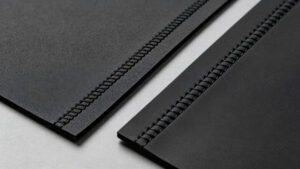
Applicable OEM Scenarios for Two Stitching Methods
Overlock Stitching Best Applications Daily neoprene cup sleeves, laptop sleeves, ordinary fitness mats, casual pet life jackets, promotional gifts and entry-level daily protective accessories. It is the best choice for cost-effective bulk wholesale orders.
Flatlock Stitching Best Applications Professional surfing wetsuits, diving suits, fitness knee/elbow pads, sports protective gear and high-end retail neoprene wearable products. It improves product grade and user experience significantly.
FAQ
Q1: Is flatlock stitching always better than overlock? A1: Not exactly. Flatlock is better for comfort and flexibility, while overlock is more cost-effective for ordinary accessories. The best choice depends on your product positioning.
Q2: Can you mix flatlock and overlock stitching in one product? A2: Yes. We support hybrid stitching solutions, using flatlock on skin-contact areas and overlock on non-key parts to balance quality and cost.
Q3: Does flatlock stitching improve product durability? A3: Yes. Flatlock seams disperse tension evenly, effectively avoiding seam cracking and extending the service life of neoprene sports products.
Conclusion
Understanding flatlock vs overlock neoprene stitching difference helps OEM buyers accurately grade products and control costs. Overlock stitching is ideal for economical daily neoprene accessories, while flatlock stitching is the premium solution for high-comfort sports and water sport products. If you need professional stitching process selection and customized neoprene manufacturing solutions, contact Yonghe Sport for free samples and wholesale quotations.